


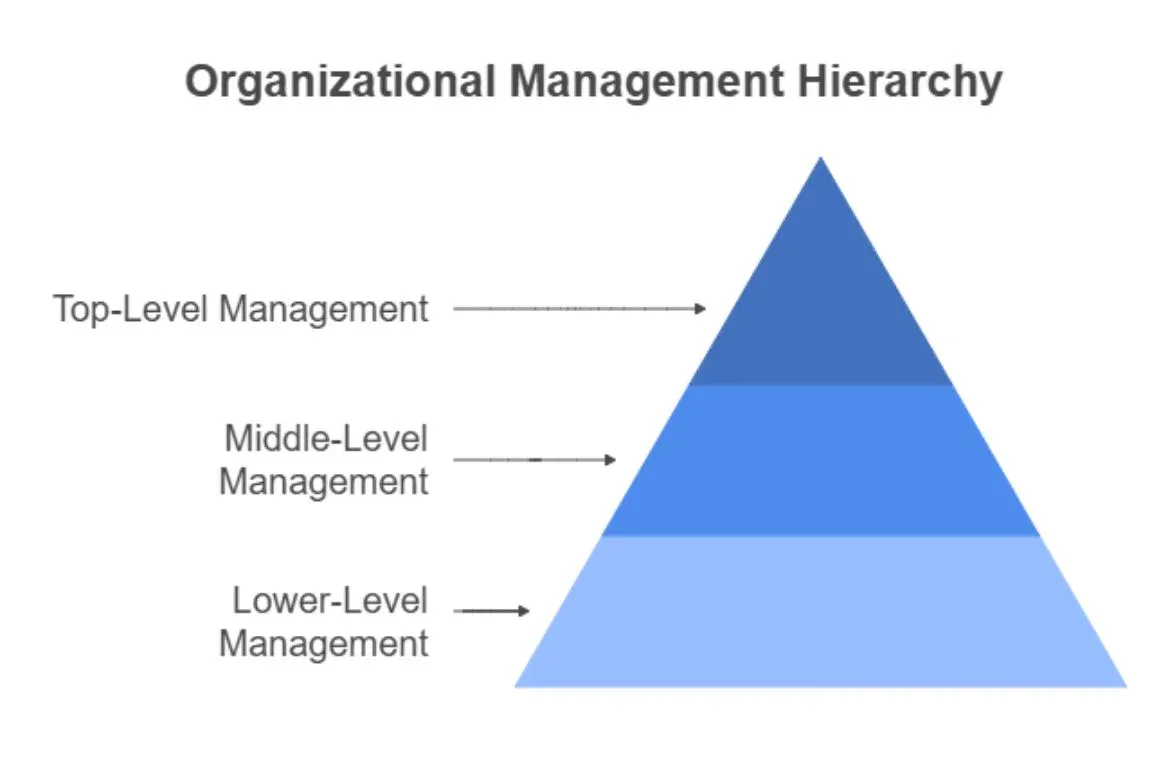
Let’s be honest. When we talk about digital transformation, the spotlight usually shines on two groups: the visionary C-suite and the brilliant tech teams. But there’s a critical layer in between that often gets stuck with a bad rap—seen as resistors, bottlenecks, or just…managers.
That’s a massive mistake. Here’s the deal: middle managers are the absolute engine of any successful digital transformation initiative. They’re the translators, the bridge-builders, the on-the-ground generals. Without them, even the most elegant digital strategy sputters and dies in the messy reality of day-to-day operations.
The Crucial Middle Ground: More Than Just Messengers
Think of a digital transformation like installing a new, complex electrical system in an old, lived-in house. The executives are the architects with the blueprints. The IT specialists are the electricians with the tools. And the middle managers? They’re the general contractors. They coordinate the work, reassure the homeowners (the employees), manage the inevitable dust and disruption, and make a thousand tiny decisions to align the grand plan with the existing walls and wiring.
Their role is multifaceted, and frankly, it’s where theory meets the pavement. Or sometimes, where it hits a pothole.
From Strategy to Action: The Translator Role
“Leverage AI for operational efficiency” or “adopt a cloud-first mindset” are great boardroom phrases. But what do they mean for Sarah in accounting or Mark in customer service? Middle managers decode the high-level vision into concrete tasks, goals, and—most importantly—“what this means for you.” They turn abstract digital transformation goals into a language their teams can understand and act upon.
The Human Buffer: Managing Change and Fear
Change is scary. New software, altered processes, shifting responsibilities—it all triggers uncertainty. Middle managers are on the front line of this human element. They listen to concerns, address fears about job security, and provide the coaching and support needed for adoption. They are, in essence, the chief empathy officers during turbulent times.
Key Responsibilities: What Middle Managers Actually Do to Drive Change
So, what does this engine-room work look like in practice? It’s a blend of leadership, psychology, and gritty execution.
- Championing and Communicating the “Why”: They don’t just relay instructions; they connect the dots for their teams, explaining how this new CRM or data analytics tool makes everyone’s job easier or serves the customer better in the long run.
- Securing Resource Allocation and Prioritization: They fight for the budget, training time, and temporary bandwidth their teams need to learn and implement new tools. They protect transformation work from being drowned by daily business-as-usual demands.
- Bridging the Feedback Loop: This is huge. They channel grassroots feedback from employees—what’s clunky, what’s working, what’s a hidden roadblock—back to the strategists and tech teams. This turns a top-down rollout into an iterative, responsive process.
- Modeling the New Behaviors: They can’t just preach digital fluency; they have to live it. Using the new platforms, demonstrating data-driven decision-making, and showing a willingness to learn publicly are all powerful signals.
The Flip Side: When Middle Managers Become Blockers
Okay, we have to address the elephant in the room. Sometimes, middle management does hinder digital transformation. But it’s rarely out of malice. More often, it’s a symptom of a flawed approach.
Common pain points? Being handed a mandate without context or resources. Fear of losing control or relevance. Or simply being overwhelmed—they’re expected to drive change while also hitting all their existing performance targets with no relief. It’s like asking someone to rebuild the engine while the car is still speeding down the highway.
| Common Challenge | Why It Happens | The Antidote |
| Resistance to New Tools | Lack of training, fear of exposed incompetence, no clear benefit seen. | Co-creation, hands-on training, connecting tools to pain relief. |
| Hoarding Information | Old-school mindset where knowledge is power; fear of redundancy. | Reward collaboration and transparency; redefine their value as coaches. |
| Inability to Prioritize | “Everything is priority #1” from above; conflicting goals. | Leadership must shield them, provide clear strategic priorities. |
Empowering the Engine: How Organizations Can Set Them Up for Success
For middle managers to thrive as drivers of digital transformation, they need the right support. It’s not fair—or effective—to just add this monumental task to their job description. Companies that get this right do a few things consistently.
- Include Them Early. Bring them into strategy conversations before decisions are final. Their ground-level insight is pure gold and creates buy-in.
- Invest in Their Transformation First. Provide dedicated training not just on new tech, but on change management, agile leadership, and data literacy. Equip the equippers.
- Adjust Metrics and Incentives. If you measure them solely on quarterly output, that’s all they’ll focus on. Weave digital adoption, team upskilling, and innovation experiments into their KPIs and rewards.
- Give Them Air Cover. Senior leadership must publicly back their decisions, shield them from counterproductive corporate politics, and celebrate their wins as transformation champions.
The Bottom Line: It’s a Human Transformation, Disguised as a Digital One
At its heart, digital transformation isn’t really about technology. It’s about people, processes, and culture. And who has the most direct, daily influence on people, processes, and culture? You guessed it.
Middle managers are the critical linchpin. They can either amplify the strategic signal or dampen it into a faint, ignored whisper. When empowered and positioned correctly, they become the steady heartbeat of change—translating vision into action, fear into momentum, and resistance into adoption. They turn the blueprint into a livable, thriving home.
So, the next time your company embarks on a digital journey, look beyond the flashy tech demos and executive announcements. Look to your managers. Invest in them. Listen to them. Because the success of your entire initiative likely rests on their shoulders. And that’s not a burden—it’s the most pivotal role in the story.