


Let’s be honest. The old way of working—the project model—feels a bit like building a sandcastle. You pour immense effort into a temporary structure. You celebrate its completion. And then, well, the tide comes in. The budget is spent, the team disbands, and what’s left often needs constant, expensive repairs just to stay upright.
A product-based operating model is different. It’s more like cultivating a garden. You’re responsible for a living thing—your product—over its entire lifecycle. You plant, you nurture, you prune, you watch it grow and adapt to the seasons. The work never really “ends”; it evolves. The shift from project to product isn’t just a change in terminology. It’s a fundamental rewiring of how your organization thinks, funds, and delivers value.
Why the Shift? The Core Mindset Difference
Here’s the deal. In a project-centric world, success is measured by output. Did we deliver the features on the list, on time, and on budget? Check, check, check. Project complete. But did anyone use it? Did it move the needle for the business? That’s often someone else’s problem.
A product model measures outcome. It asks: Is our product achieving its intended business goal? Are users engaged? Is it driving revenue, reducing cost, or improving satisfaction? The team’s job isn’t to just build and leave; it’s to own the result, continuously. This mindset shift—from output to outcome—is the bedrock of the transition. It sounds simple, but honestly, it changes everything.
The Sticking Points: What Makes This Transition Hard
If it were easy, everyone would have done it by now. The friction comes from systems and habits deeply ingrained in most companies. You know the ones.
- Funding & Budgets: We’re used to annual budgets and capital expenditure (CapEx) for projects. A product needs continuous, flexible funding—more like an operational expense (OpEx)—to allow for iteration and discovery.
- Team Structure: Project teams form and dissolve. Product teams are stable, long-lived, and cross-functional. They have all the skills needed—design, engineering, marketing—to handle the product’s entire journey.
- Governance & Metrics: Steering committees that green-light projects based on a 100-page spec feel out of place. Product governance focuses on tracking outcomes (like user retention or conversion rate) rather than just checking Gantt chart milestones.
- Career Paths: What does a “Project Manager” become in a product world? How are people evaluated when their work is a never-ending series of experiments and improvements?
A Practical Roadmap: Navigating the Change
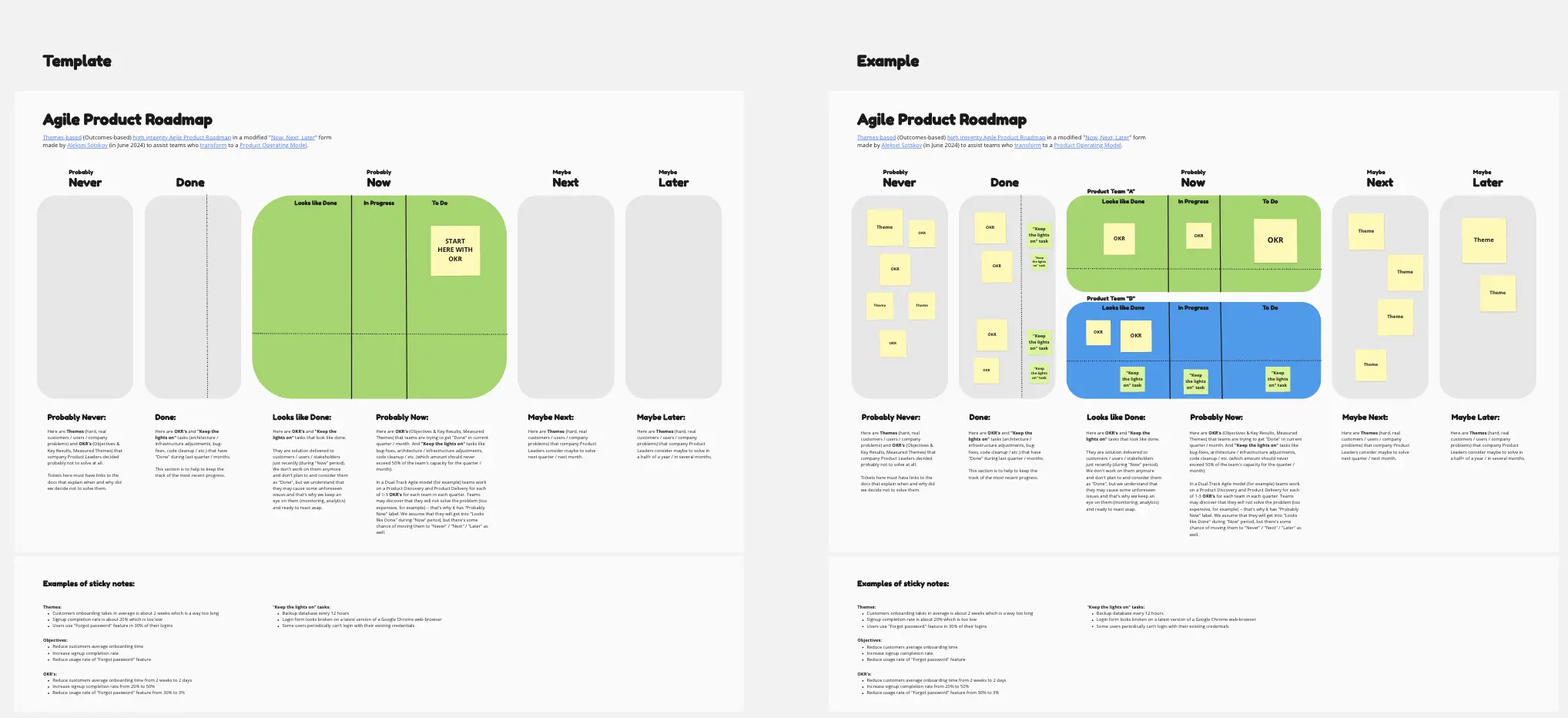
Okay, so how do you actually manage this transition? You can’t just flip a switch on a Friday afternoon. It’s a deliberate, sometimes messy, journey. Think of it as a product launch in itself—you need a minimum viable change, gather feedback, and iterate.
1. Start with a Pilot, Not a Big Bang
Don’t try to boil the ocean. Pick one product—a real product, not just a feature—that has clear user value and business impact. Assemble a dedicated, cross-functional team. Give them a clear outcome to chase, not a feature list. Shield them, for a while, from the old project processes. This pilot becomes your proof of concept and your learning lab.
2. Rethink How You Fund Work
This is arguably the toughest nut to crack. Move from project-based capital allocation to product-based funding. Instead of approving a giant sum for a two-year project, fund the product team for a quarter or a year to pursue specific outcomes. This table highlights the shift:
| Project Funding | Product Funding |
| Fixed budget for a fixed scope | Flexible budget for a desired outcome |
| Annual capital expenditure (CapEx) | Ongoing operational expense (OpEx) |
| Approval at project inception | Periodic review based on value delivered |
| Spend it or lose it mentality | Continuous investment based on performance |
3. Build Stable, Empowered Teams
Stability is everything. A team that stays together learns together. They build deep domain knowledge, trust, and velocity. Empower them to make decisions about the product. This means moving from a “tell them what to build” model to a “give them the problem and let them solve it” model. It’s uncomfortable for traditional leadership, but it’s essential.
4. Change the Conversation with Metrics
Stop reporting on “percent complete.” Start reporting on product metrics that matter. Did the last release improve the activation rate? Reduce support tickets? Increase average order value? These are the signals that guide a product team’s next move and prove their value to the business.
The Human Side: Culture, Roles, and Resistance
All this process talk is fine, but the transition lives or dies on the human side. People’s identities are tied to their roles. Project managers, for instance, are masters of a known discipline. In a product world, their deep skills in orchestration and risk management are still desperately needed—but the context changes. They might evolve into Product Owners or Agile Coaches, focusing on backlog health and outcome delivery rather than iron-triangle constraints.
And you will face resistance. From finance who wants clear ROI forecasts. From executives used to milestone-based updates. From team members who find comfort in a defined finish line. The key is to communicate the “why” relentlessly. Frame it as a move towards greater impact, ownership, and relevance—not just another corporate restructure.
Is It Worth It? The Payoff of Persistence
In a word, yes. When you get it right, the product operating model leads to faster innovation, higher-quality outputs, and teams that are genuinely engaged. They’re not just completing tasks; they’re solving real problems for users and the business. You get away from the hamster wheel of endless, disconnected projects and start building durable value.
The transition, frankly, is a marathon with no clear finish line. It’s a continuous process of adaptation. There will be setbacks. Some teams will revert to old habits under pressure. That’s okay. The goal isn’t perfection; it’s a steady, intentional movement from a culture of delivery to a culture of ownership. You’re not just managing a transition. You’re planting a garden. And that requires patience, care, and a willingness to weather a few storms before you see everything in full bloom.